

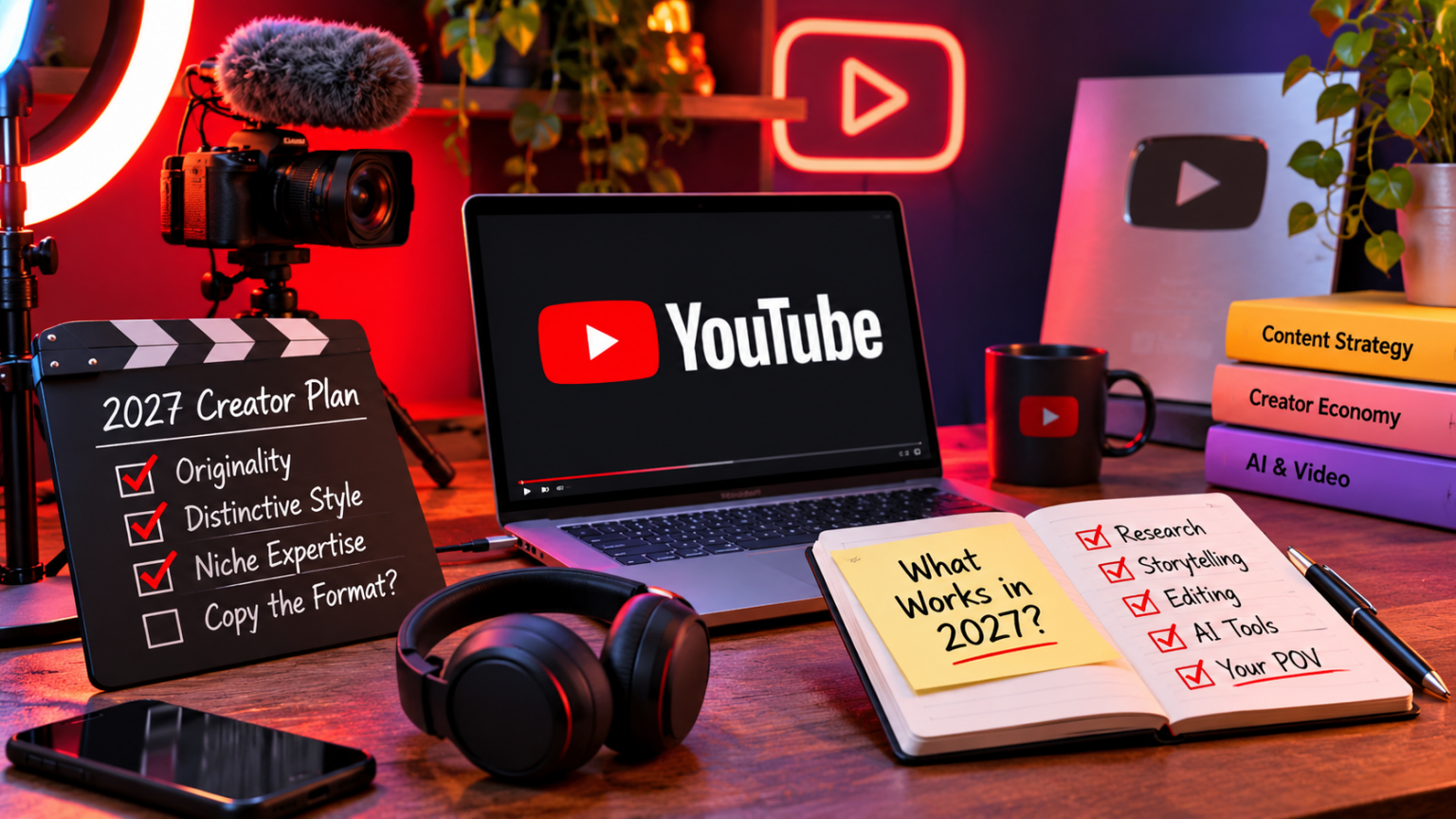
The competition on YouTube is becoming tougher, and simply copying viral videos or following popular trends may no longer be enough to build a successful channel. As artificial intelligence makes content creation faster and easier, originality and creativity are expected to become the biggest advantages for creators in 2027.
A recent discussion highlighted by content strategist Ranveer Allahbadia suggests that creators will need to develop something unique that audiences cannot easily find elsewhere. Whether it is research, storytelling, editing or presentation, having a recognisable identity could become essential for long-term success.
Is YouTube Becoming Too Competitive?
India’s creator economy has expanded rapidly over the past few years. According to YouTube’s 2025 India report, more than 100 million Indian channels uploaded content during the preceding year, while over 15,000 channels crossed the one-million-subscriber milestone.
The growth of podcasts also demonstrates how quickly digital content consumption is changing. YouTube reported more than one billion monthly viewers of podcast content globally in 2025.
These numbers highlight the enormous opportunities available to creators. However, increasing competition also means that uploading videos regularly is no longer enough.
A creator discussing technology, gaming or entertainment needs a distinctive approach to attract and retain viewers. Similar topics may attract attention, but original research, interesting questions and engaging storytelling can help a channel stand out.
How Will Artificial Intelligence Change YouTube?
Artificial intelligence is already transforming the content creation industry. Creators can now use AI tools for scripting, video editing, voiceovers, subtitles, translations and even generating visual content.
YouTube revealed in January 2026 that more than one million channels were using its AI creation tools daily on average in December 2025.
However, the growing availability of AI tools also creates another challenge. When everyone can produce videos using similar prompts and templates, content can quickly become repetitive.
YouTube’s monetisation policies also make an important distinction. Mass-produced, repetitive and inauthentic content may not qualify for monetisation, regardless of whether AI was used to create it.
This means creators should use AI to improve production quality rather than depend on it to generate the entire creative identity of a channel.
What Kind of Content Will Work in 2027?
For new creators, building a recognisable identity could be more important than chasing every trending topic.
Research-based explainers, original storytelling, local reporting, distinctive humour and recurring characters are some approaches that can help creators develop loyal audiences.
Established creators can also experiment with deeper discussions, audience-driven video series and fresh formats without completely changing the content their viewers already enjoy.
AI can handle repetitive tasks such as generating captions, organising transcripts and assisting with editing. However, choosing interesting subjects, asking meaningful questions and presenting a unique perspective will remain the creator’s responsibility.
Originality Could Become YouTube’s Biggest Competitive Advantage
The future of YouTube may not belong to creators who upload the most videos, but to those who give audiences a reason to return.
Following trends will still be useful for discovering new audiences. However, simply reproducing another creator’s format may not build a sustainable channel.
In 2027, the biggest advantage could be creating content so distinctive that viewers recognise the creator’s style even before seeing the channel name.
For anyone planning to start a YouTube channel or grow an existing one, the message is clear: use AI as a tool, learn from trends, but build something that is genuinely your own.