
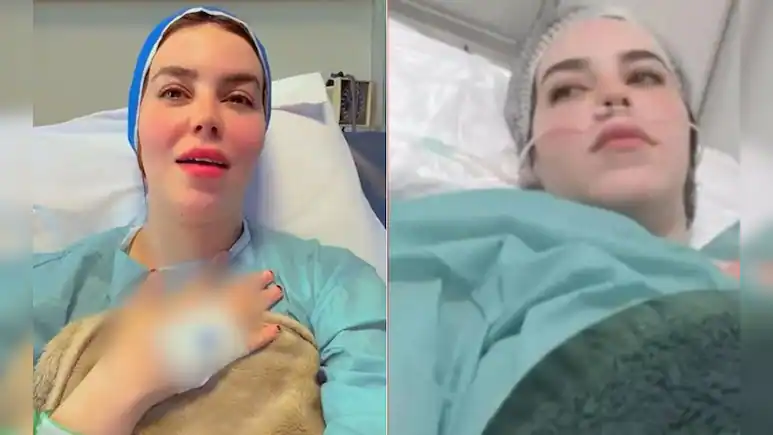
An Egyptian blogger has turned herself in to police after allegedly deceiving thousands of social media followers into donating millions of pounds by falsely claiming she had cancer, authorities said on Thursday.
Donia Fouad, based in Ismailia, is accused of collecting up to four million Egyptian pounds through repeated online appeals in which she claimed the money was needed to pay for cancer treatment. Medical tests later confirmed she did not have the disease.
Husband arrested before her surrender
Police had arrested Fouad’s husband for questioning earlier as part of an investigation into the fundraising campaign. Shortly afterwards, Fouad surrendered to authorities.
The case has drawn significant attention in Egypt, raising broader questions about accountability for social media influencers and the vulnerability of online audiences to emotional appeals.
Public confession on Facebook
In a public post on her official Facebook page, Fouad admitted she had fabricated the illness entirely.
“I am mentally ill and need treatment. Please help me. I did this because I needed attention, and I admit I was wrong and deserve what is happening to me,” she wrote.
She went on to say that she had found emotional comfort in the concern shown by others while she pretended to be sick. She said her husband’s worried looks and the support of followers had given her significant psychological relief.
Fouad also acknowledged that she had previously refused advice from those around her to seek professional mental health support.
Donors take legal action
Some of those who donated money to Fouad have since begun taking legal action against her, with cases being filed on the grounds of online fraud.
The total amount allegedly collected – up to four million Egyptian pounds (approximately USD 80,000-85,000) – represents a significant sum for individual donors who believed they were helping someone battle cancer.
Broader implications
The case highlights the growing problem of fraudulent online fundraising campaigns. Social media platforms have made it easier than ever for individuals to appeal directly to the public for donations, but verification mechanisms remain weak.
Experts say donors should be cautious when responding to emotional appeals from unknown individuals. Checking for official medical documentation, cross-referencing with known charities, and using established crowdfunding platforms with verification processes can help reduce the risk of being scammed.
For Fouad, the legal consequences are now unfolding. Her admission of mental illness may be considered in court, but the donors who lost money are seeking justice for what they describe as calculated online fraud.
The case serves as a warning to influencers who might consider exploiting public sympathy for financial gain – the legal system, and the court of public opinion, can be unforgiving.