

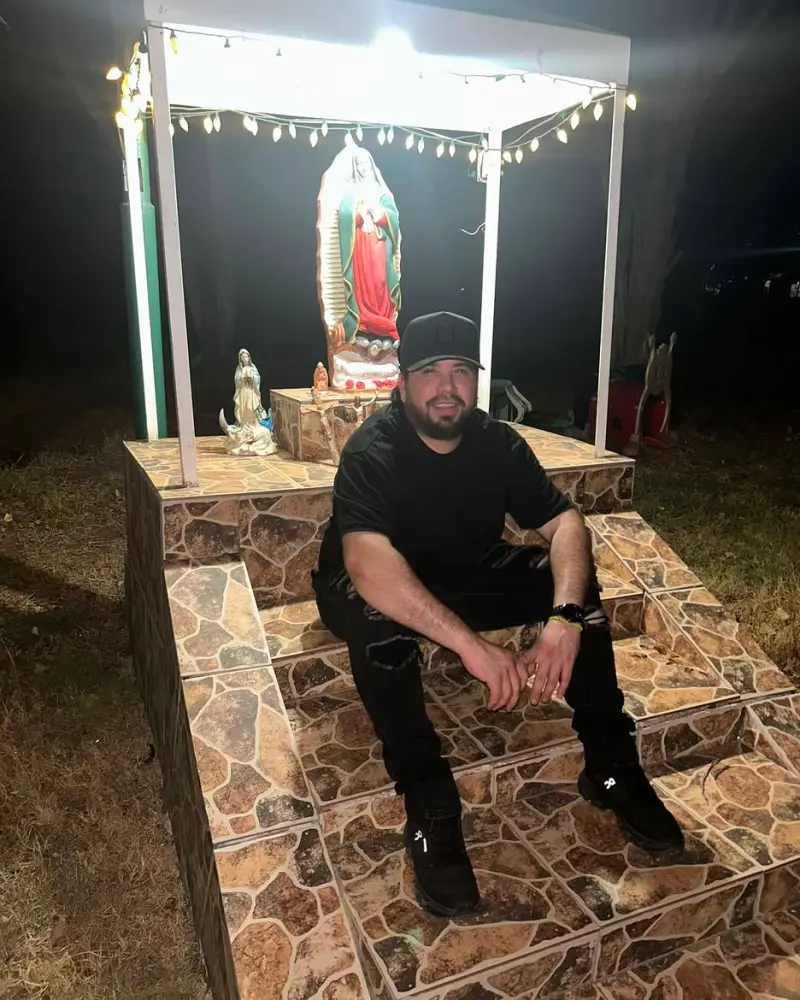
Mexico – A Mexican influencer was gunned down at a taco shop this week, the latest in an alarming trend that has seen at least 20 south-of-the-border social media stars executed over the last two years. Jose Luis Esparza, 37, was shot dead on Thursday as he was working at a taquería in Ciudad Obregón, a city in the northern border state of Sonora. Esparza went by the moniker “El Putirrí” and was known for creating good-humoured content about his daily life on Instagram and TikTok.
The Sonora State Attorney General’s Office said the shooter walked into the restaurant and opened fire on Esparza before fleeing with an accomplice on a motorcycle. Esparza was treated on the scene by paramedics and rushed to an area hospital, where he died. Authorities are now investigating whether a relative’s cartel ties could have played a role in Esparza’s killing. The influencer “might have been a collateral target,” Mexican security communications consultant Iván Moile told The Post. “Since he was related to someone deeply involved… It served as a message.”
Esparza is the latest content creator in Mexico to meet a violent end that could be linked to organized crime. Valeria Márquez was gunned down during a TikTok live stream at her beauty salon in Zapopan, Jalisco, on May 13, 2025, with authorities linking her former boyfriend and his father to the killing. César Gastélum, who had more than 600,000 TikTok followers, was shot dead while live streaming outside a KFC in Culiacán, Sinaloa, on August 4. Gunman José Alberto “El Dron” Hidalgo reportedly told investigators that Gastélum was targeted for “running his mouth” about “Los Chapitos.”
Must Read: Bigg Boss 20 Weekend Ka Vaar: Uditi Singh Loses Lifeline; Aamrapali Dubey and Arishfa Khan Clash
“Drug trafficking groups have set their sights on influencers for several reasons,” Mexican security analyst David Saucedo told The Post. “Some influencers form organic ties with drug traffickers for various activities, such as money laundering or acting as front men… when a rival group discovers that an influencer is acting as a front man or laundering money for the opposition, an attack is automatically triggered.” Saucedo added that other influencers not directly involved with cartels may also find a target on their backs. “In some cases, although influencers are not journalists, they do disseminate information and report on events in their home states or municipalities,” he said. “Drug trafficking groups are keen to control the editorial narrative—specifically, what is said about them, their rivals, or the authorities.”