

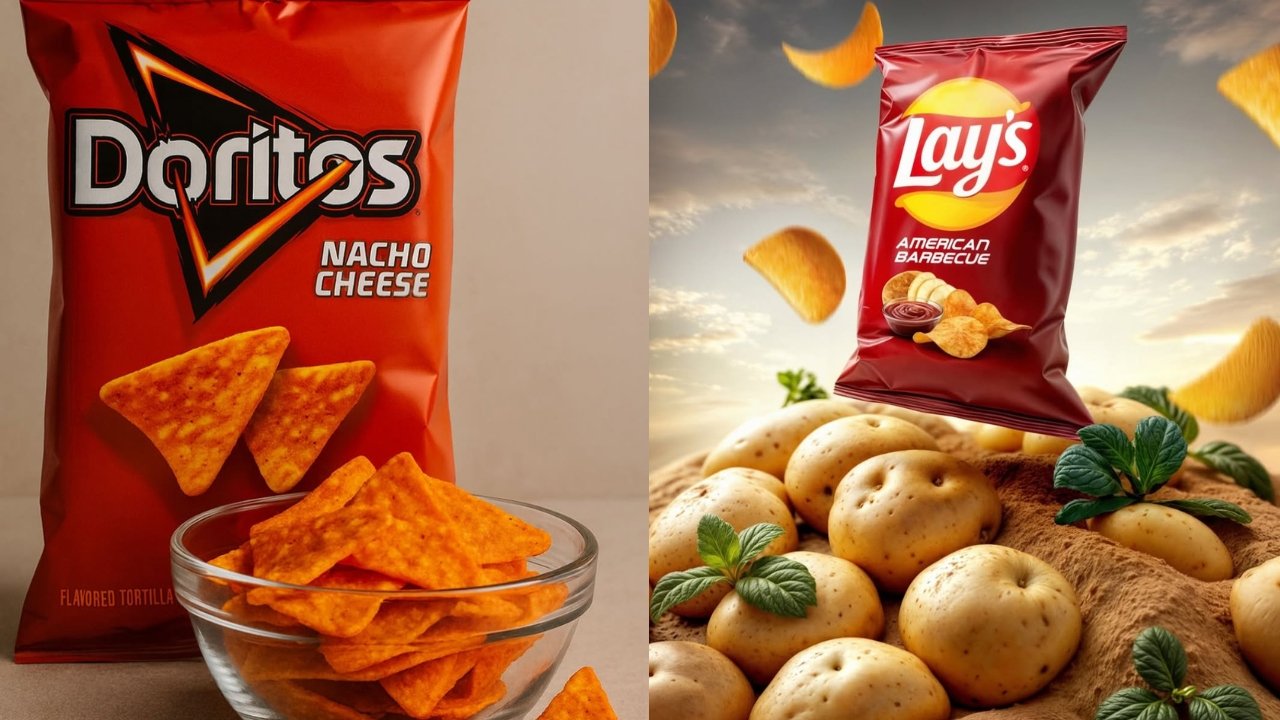
Cutting the cost of Doritos and Lays crisps has helped PepsiCo win back snackers after a backlash over rising prices. The food and drinks giant announced on Thursday, April 16, 2026, that sales jumped 8.5% in the first three months of the year to $19.4 billion (£14.4 billion).
The strong performance followed a series of price cuts ahead of the Super Bowl, some worth as much as 15% , on products including Doritos, Lays (known as Walkers in the UK), Tostitos, and Cheetos.
From Price Hikes to Affordability Initiatives
PepsiCo had been struggling after angering customers with a series of price hikes implemented in response to its own soaring costs in 2022. The company’s leadership recognized that they needed to reverse course.
Ramon Laguarta, PepsiCo’s chief executive and chairman, said the “affordability initiatives” had helped improve the firm’s performance.
To win back snackers, the company launched its latest wave of price cuts to coincide with the Super Bowl on February 8, 2026 – one of the most lucrative days of the year for snack makers.
The Financial Results
| Metric | Q1 2026 Result | Change |
|---|---|---|
| Sales | $19.4 billion | +8.5% |
| Operating Profit | $3.2 billion | +25% |
| Share Price | — | +2% (early trading) |
The company’s shares jumped by 2% in early trading following the results announcement.
The Weight-Loss Jab Challenge
The price cut strategy comes as PepsiCo grapples with another challenge: the rising use of appetite-suppressing weight-loss jabs (such as Ozempic and Wegovy), which are driving changes in eating habits and portion sizes.
Many users have reported that their spending on food decreased considerably after starting the jab, as they felt significantly less hungry.
How PepsiCo Is Responding
| Strategy | Implementation |
|---|---|
| Portion control | Laguarta says PepsiCo is “betting a lot on portion control” |
| Multipacks | Turning focus increasingly to multipack offerings |
| Single-serve focus | More than 70% of its US food products are single-serve |
The company recognizes that consumers using weight-loss medications are seeking smaller portions – and PepsiCo is adjusting its product mix accordingly.
Analyst Perspective – ‘Work Still to Do’
Danni Hewson, head of financial analysis at investment platform AJ Bell, commented on PepsiCo’s turnaround efforts:
“Affordability has become more and more important to a US consumer under pressure from all sides. Branded snacks are one of those nice-to-haves that can easily be replaced or removed from shopping baskets altogether.”
Hewson noted that PepsiCo had to work hard to win back customers after previous price hikes. While the latest results are encouraging, she added that the company still had “work to do” to bring down costs for consumers.
Looking Ahead – The World Cup Opportunity
Laguarta is also pinning his hopes on PepsiCo’s sponsorship of this summer’s World Cup, being hosted in the US, Mexico, and Canada.
The company will launch “fan of the match” promotions for its Lays crisps brand during the tournament. These types of activations are designed to:
- Drive brand engagement during high-viewership events
- Encourage trial among new consumers
- Reinforce affordability messaging at scale
What This Means for the Snack Industry
PepsiCo’s experience offers several lessons for the broader snack and beverage industry:
- Price sensitivity is real – Even loyal customers will abandon brands that raise prices too aggressively.
- Timing matters – Aligning price cuts with major events (Super Bowl) maximizes impact.
- Health trends are shifting demand – Weight-loss medications are not a fad; portion control is here to stay.
- Profitability can recover quickly – A 25% operating profit jump shows that price cuts, when done strategically, do not necessarily destroy margins.
A Successful Pivot
PepsiCo’s decision to cut prices on Doritos, Lays, and other key brands appears to have paid off. The 8.5% sales jump and 25% operating profit increase suggest that consumers are responding positively to affordability initiatives.
However, challenges remain. The company must continue to manage the dual pressures of inflation-weary consumers and changing eating habits driven by weight-loss medications. Its focus on portion control and single-serve packaging is a smart adaptation.
As the summer World Cup approaches, PepsiCo has an opportunity to build on this momentum. For now, the message is clear: cheaper snacks sell – even for the world’s largest snack company.